Ask your question in Luxembourgish, French, German or English




As a commune, we have set ourselves the objective of raising public awareness of mental disorders and combating the stigmatisation of mental illness. In order to play an active role in raising awareness, our Commune takes part in "Mental Health Week", organised every second year at national level by the Ligue Luxembourgeoise d’Hygiène Mentale a.s.b.l..
A future project currently under development is the creation of a commune-level prevention plan in the field of mental health, including physical activities, addiction prevention, prevention of different types of cancer, alternative medicines, etc.
Among other things, an article on health in general will henceforth be published in each commune newsletter, as well as on this page of our website.
Mental health" can be defined in different ways. Some define it as the absence of mental disorders, others as psychological well-being or a state of mental wellbeing that enables people to cope with the stresses of everyday life.
In its report for the year 2022, the WHO indicated that in 2019, almost one billion people - including 14% of adolescents worldwide - were suffering from a mental disorder. Suicides accounted for more than 1 in 100 deaths, 58% of which occurred before the age of 50. It should be noted that people with serious mental disorders live 10 to 20 years less than the general population, often as a result of preventable physical illnesses. Since the first year of the pandemic, depression and anxiety have increased by more than 25%.
4th edition of the ''Mental Health Weeks''
The 4th edition of the "Mental Health Weeks" will take place from the 7th to the 20th of October 2024 with subjects on:
- raising awareness of mental health and mental disorders among children, young people and those around them;
- raising public awareness of the importance of healthy development from an early age, and of maintaining balanced mental health throughout life;
- promoting and strengthening networking between the various stakeholders.
A number of events will be taking place in our Commune over these 2 weeks.
Articles about mental health
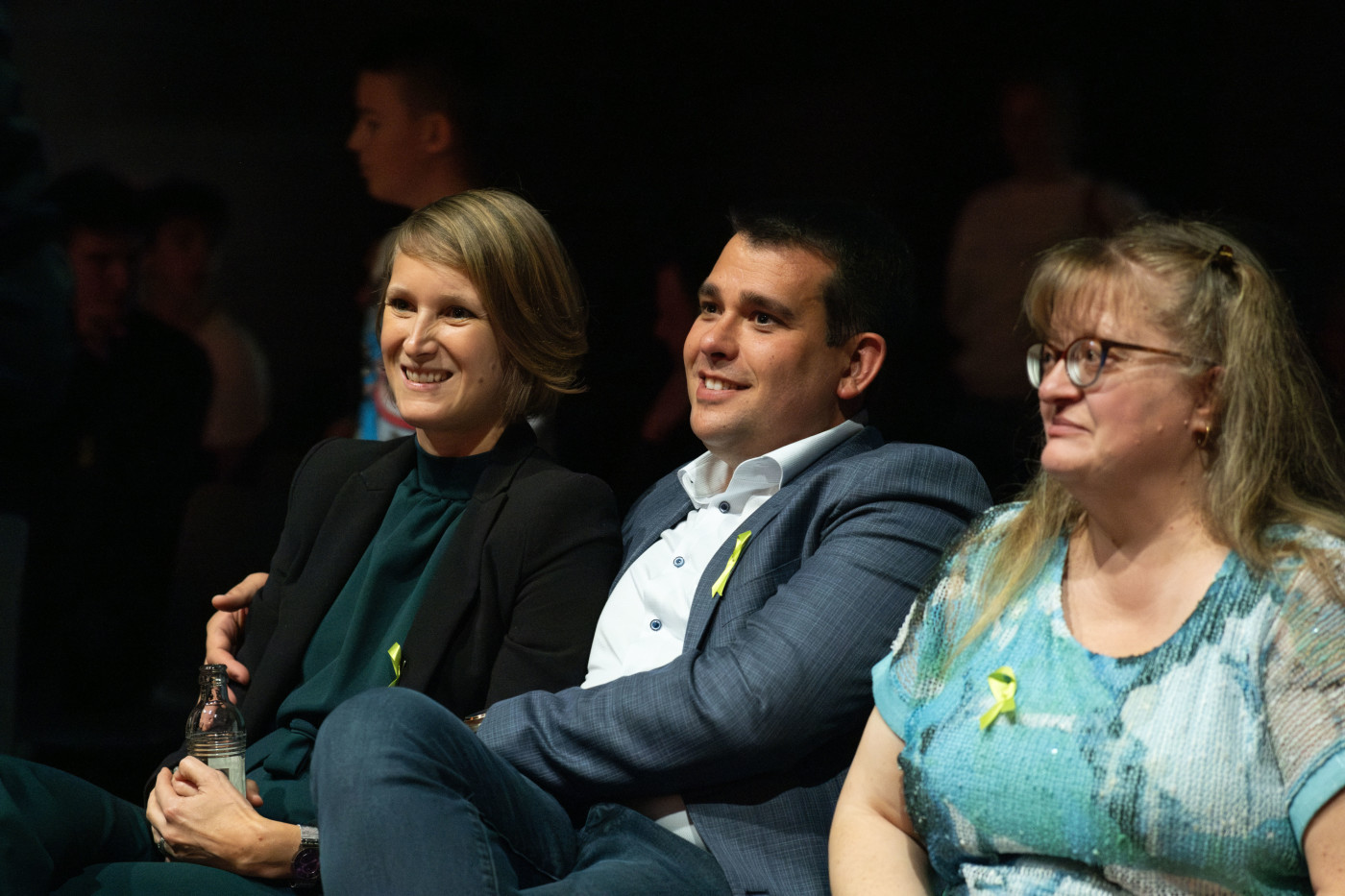
The Board of Aldermen of the Commune of Niederanven, in collaboration with the Ligue Luxembourgeoise d'Hygiène Mentale (Luxembourg Mental Health League), the Centre National de Prévention des Addictions (CNAPA, GERO asbl, CIPA "Gréngewald ‘ Niederanven, the Niederanven Youth Centre, the Maison Relais Niederanven and Artists for Mental Health asbl, organised a series of events around ‘World Mental Health Day and Mental Health for Seniors Day’.
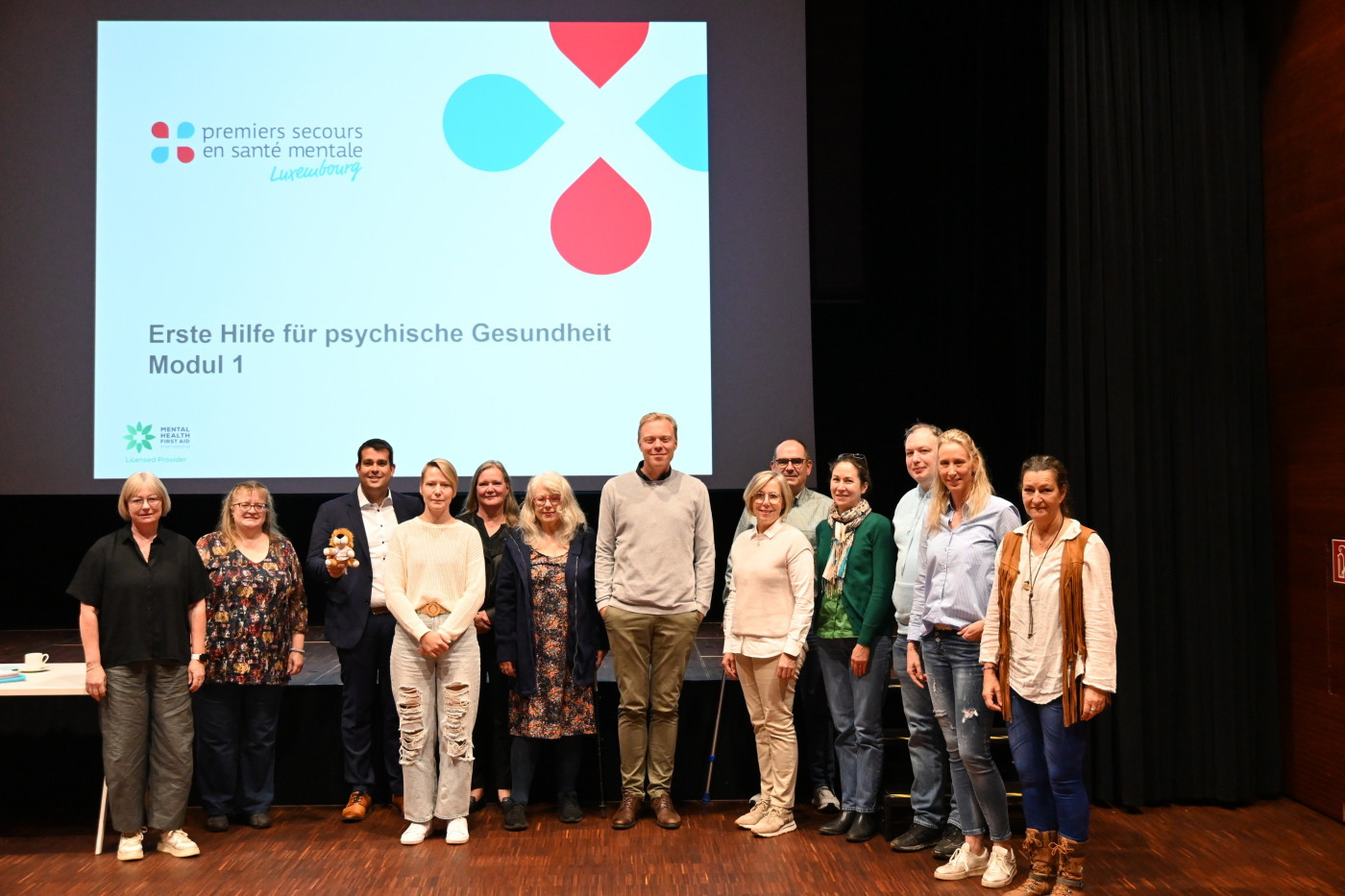
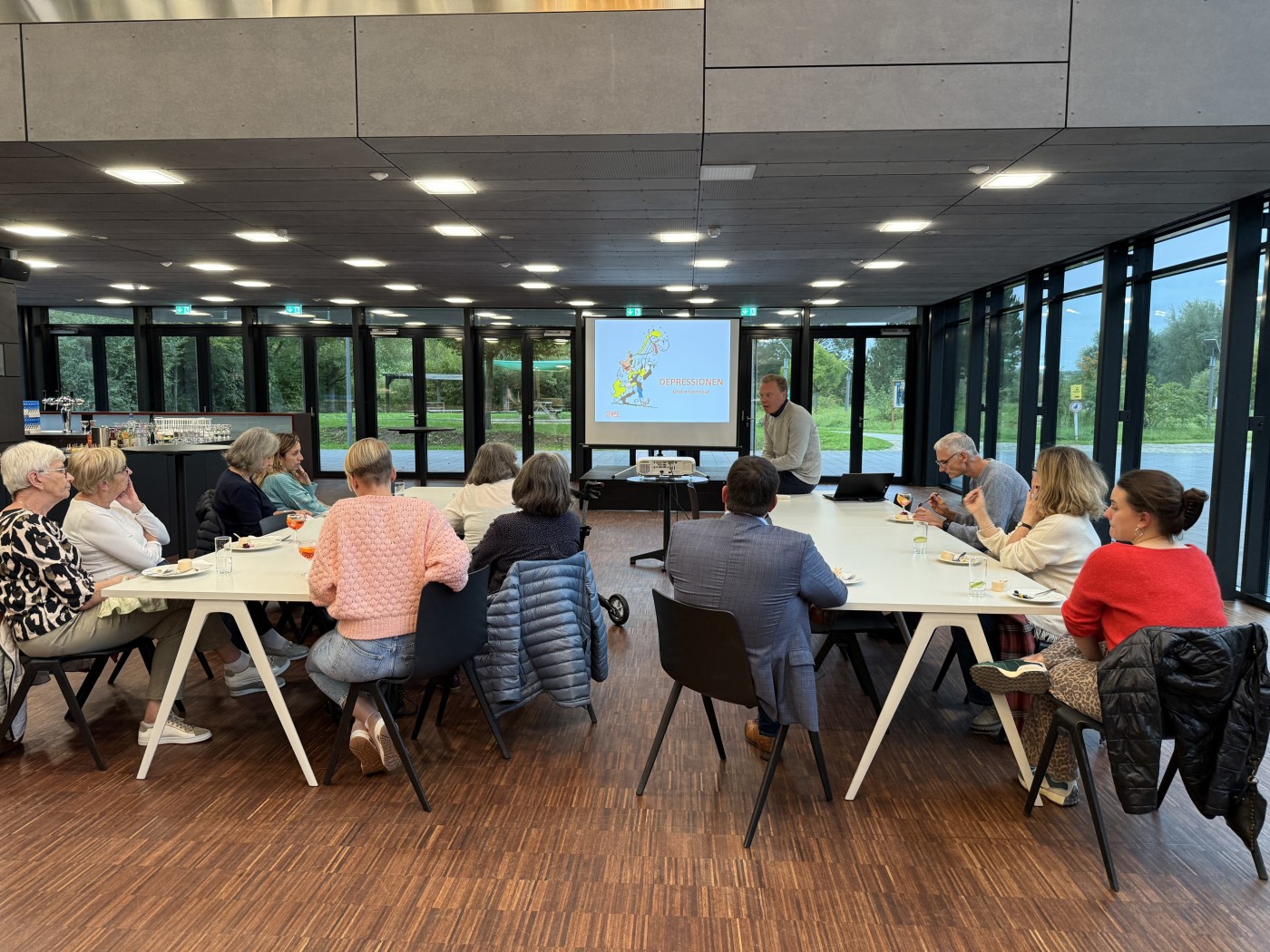
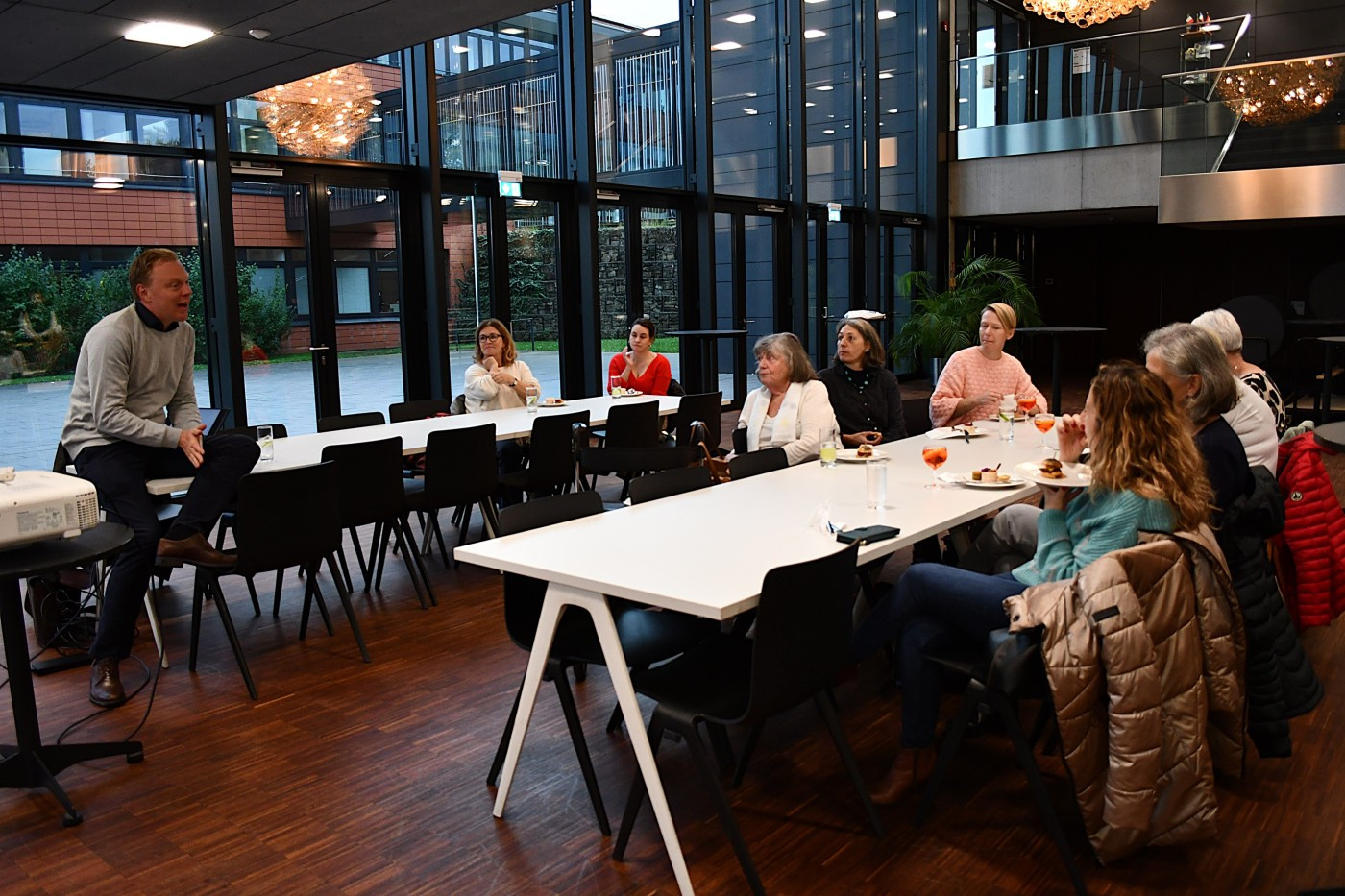
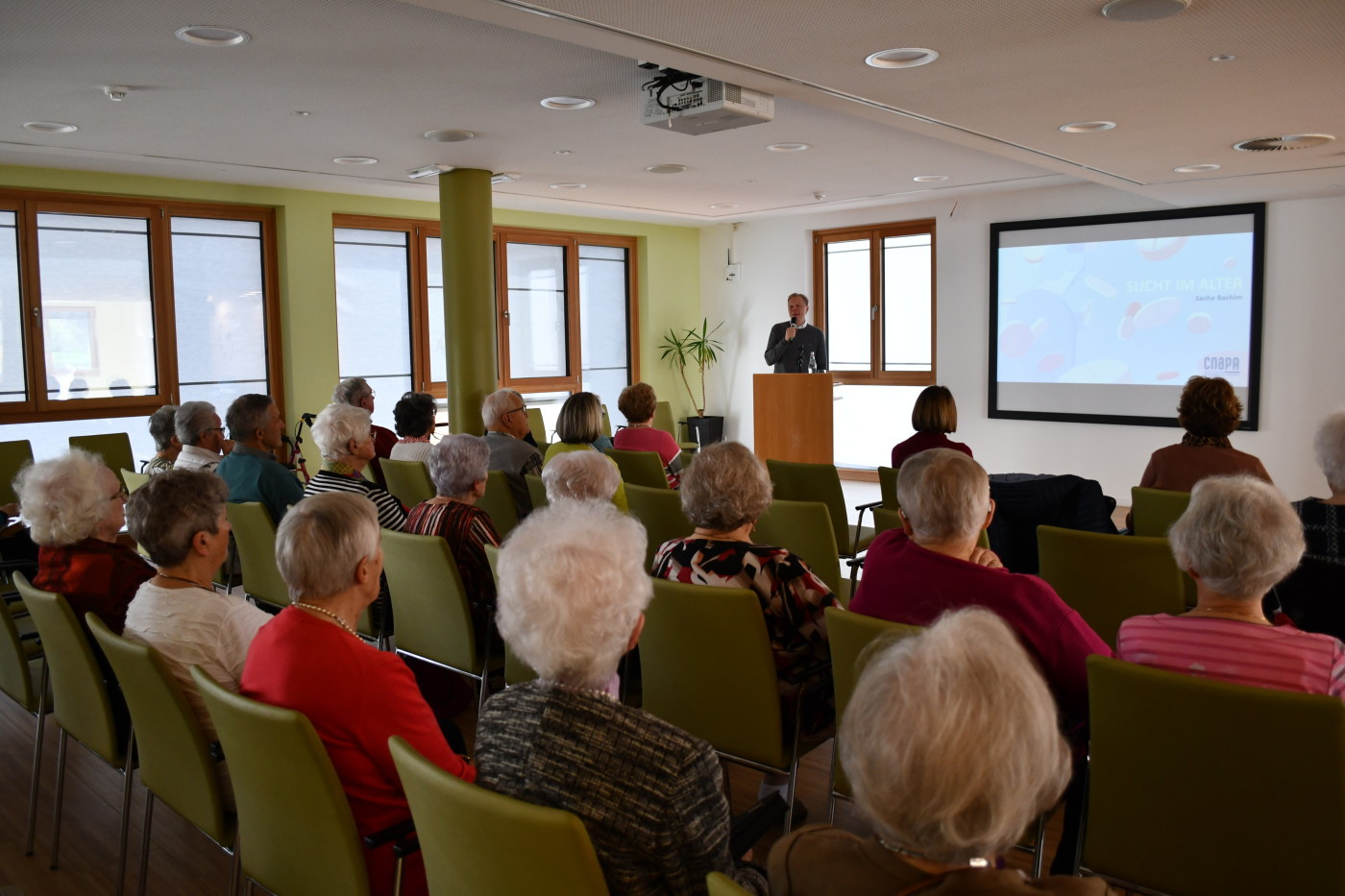
The programme began with a mental health first aid course, followed by a cocktail conference on the theme of ‘Addiction and Depression’, led by trainer Sacha Bachim (CNAPA).
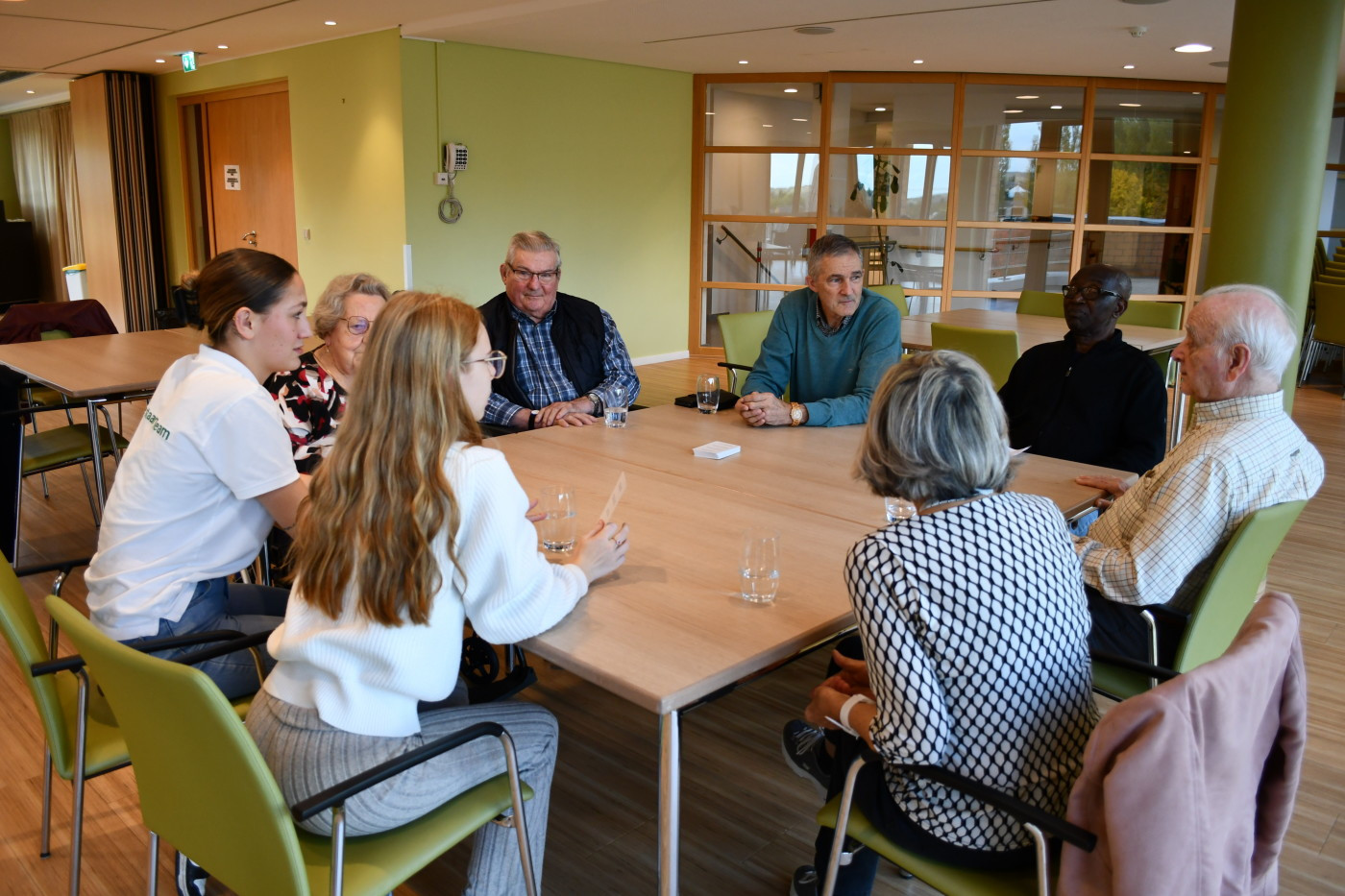
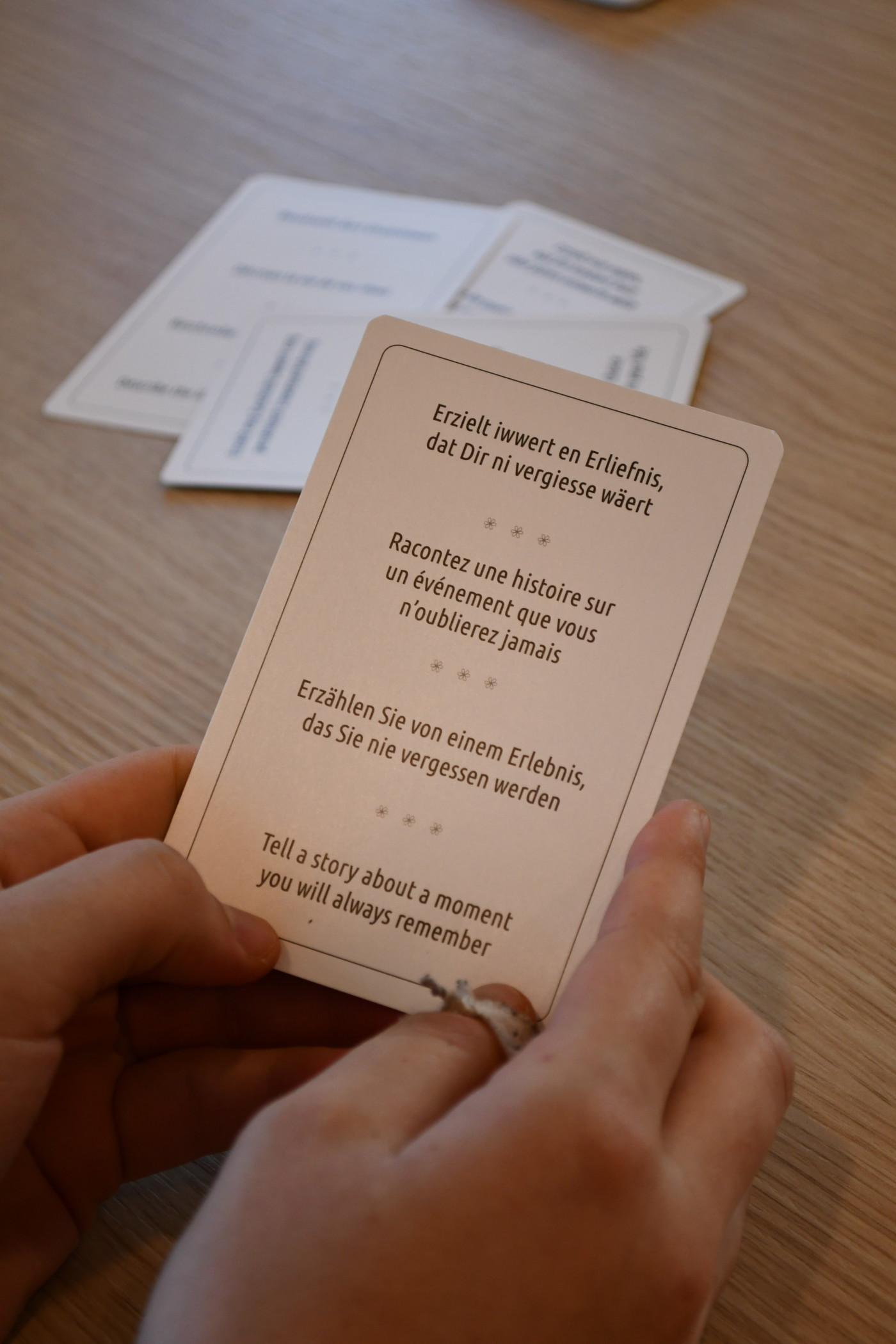
A conference entitled ‘Sucht am Alter’ was then offered to CIPA residents and the general public. In addition, an intergenerational activity based on the card game ‘More than one Story’, organised in partnership with GERO asbl, brought together CIPA residents, young people and children from the Maison des Jeunes and the Maison Relais in Niederanven.
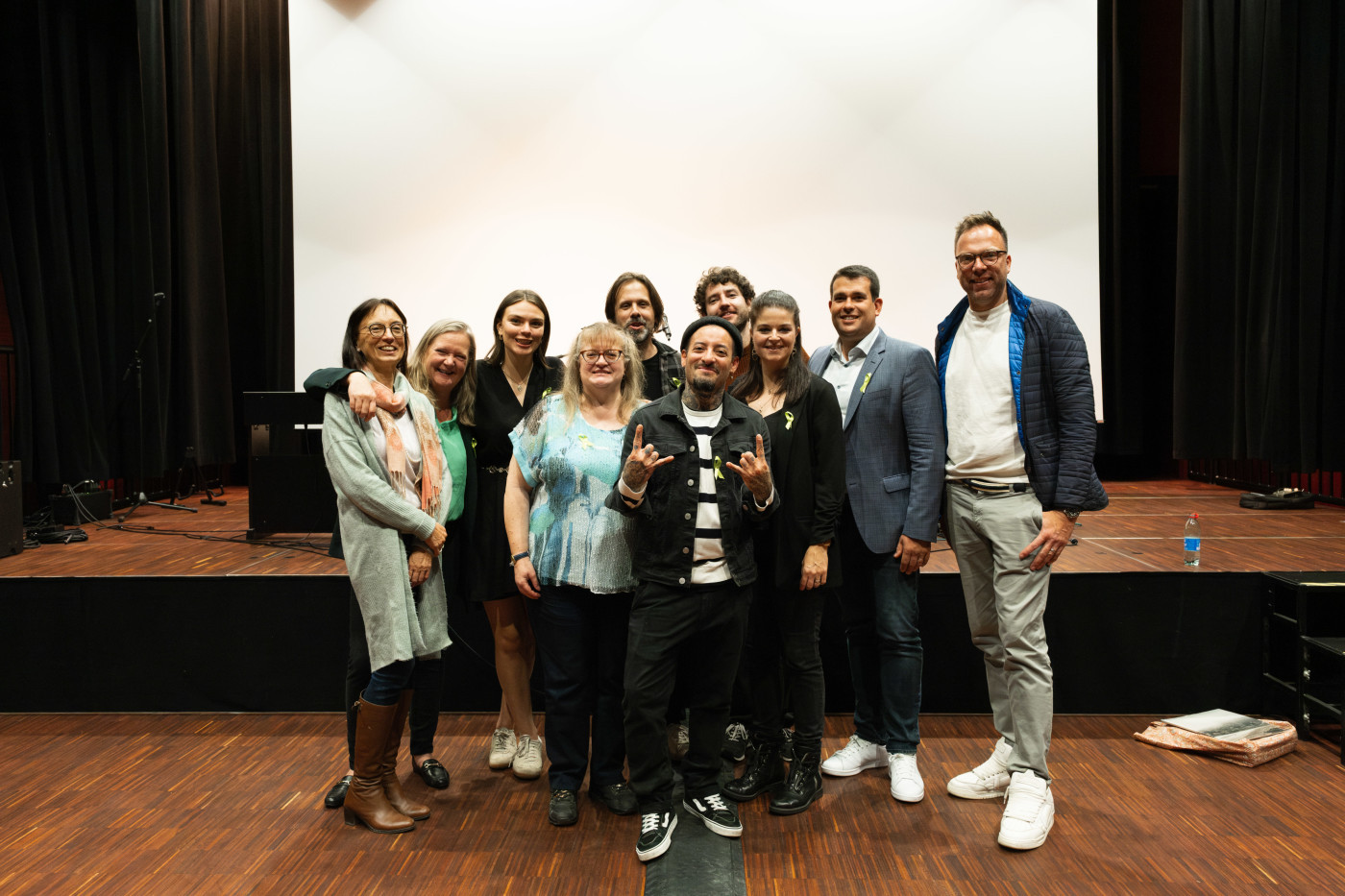
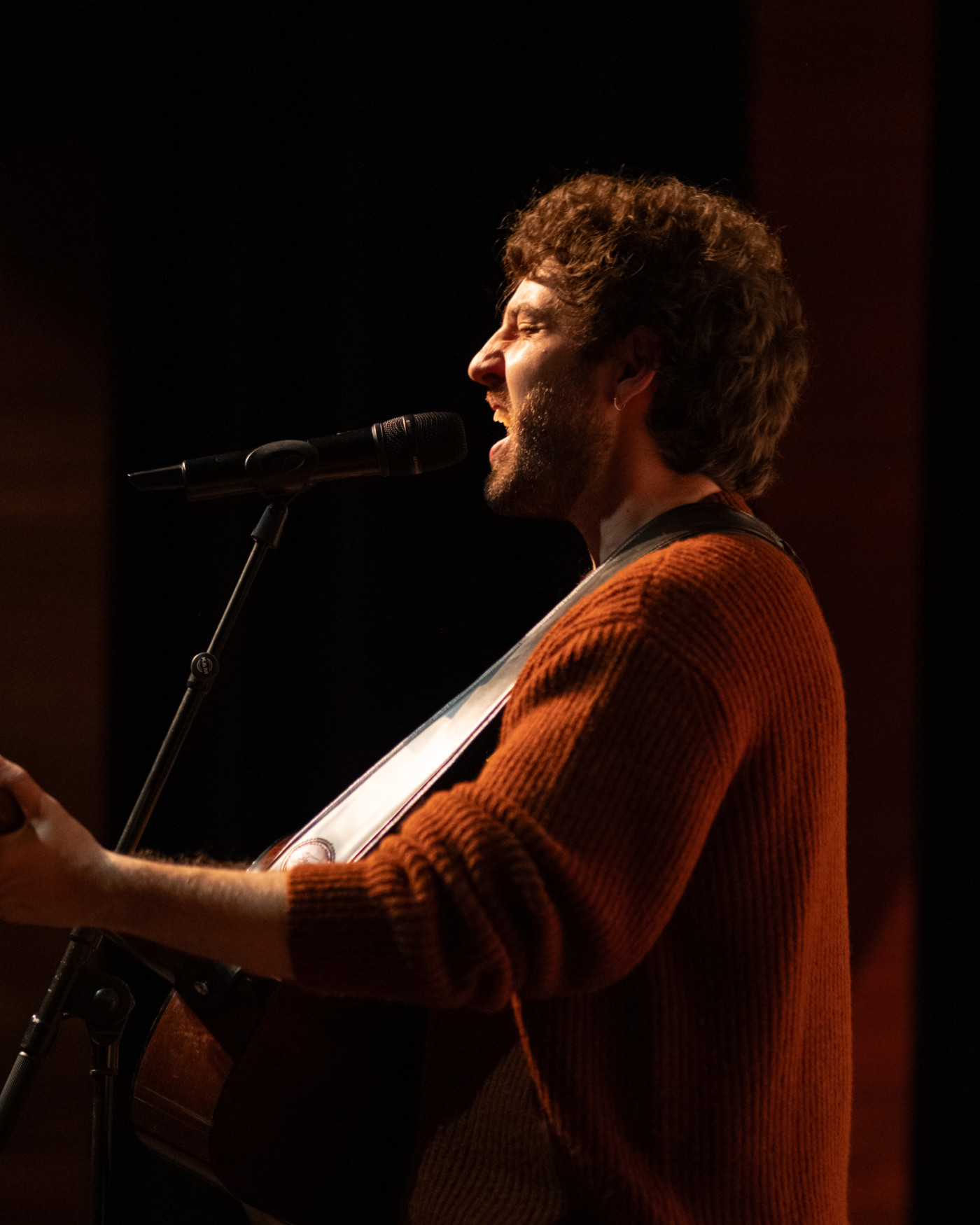
The closing day, organised in collaboration with Artists for Mental Health asbl, took place on 11 October 2025. It began with a concert by the group ‘Les Gavroches’ at CIPA ‘Gréngewald’ Niederanven, followed by a concert with commentary featuring artists Eva Marija, Josh Island and Daniel Balthasar. The musicians shared not only their music, but also powerful messages about mental health, which deeply moved and inspired the audience.
Mental health is just as important as physical health. Yet many people still feel isolated when dealing with their worries, anxieties or depression — for fear of prejudice or lack of understanding, which can sometimes lead to suicidal thoughts. Raising awareness means listening, understanding and supporting. It also means fighting against the stigma surrounding mental health issues. As a society, we must learn to talk more openly about mental health, ask the right questions and show those affected that they are not alone.
That is why the Commune of Niederanven is actively committed to promoting an inclusive and supportive community every year, where mental health plays an essential role.
Together for greater understanding – and fewer taboos!


For a Healthy "Screen-Life Balance" for Our Children
(Campaign launched by the Ministry of National Education, Children, and Youth)
A Major Public Campaign to Raise Parental Awareness About Screen Time
The Screen-Life Balance campaign aims to inform and support parents. Many parents are concerned about screen time and need guidance, as Minister Claude Meisch explains:
“Screen time is a constant topic in families. At the table. Before bedtime. During leisure activities. Today, our children no longer have the chance to be bored. The time that we adults, and also children, spend on smartphones is often time lost at the expense of precious moments spent with family or friends.”
That is why the Ministry of National Education, Children, and Youth has launched a campaign with concrete recommendations for safe and responsible use of digital tools.
The campaign focuses on the three essential phases of development for children and young people.
Avoid Screens Under Age 3
During this crucial phase of early childhood development, it is important to avoid any exposure to screens to make room for social contact, direct interactions with parents, and play in order to strengthen young children's social, emotional, and language skills.
Avoid Personal Smartphones Under Age 12
Children under 12 do not always realize the dangers of the internet. With a smartphone, they have access to all content, but also to false information. They do not always know that sharing photos and videos carries risks for their privacy. They must first learn to use their own smartphone responsibly with the support of their parents.
Avoid Social Media Under Age 15
Social media can have negative consequences on the development of young people during the sensitive period of puberty, when they are searching for their own identity and greatly need feedback from their social environment. Unethical practices and manipulative algorithms risk leading to excessive smartphone use and causing emotional stress for young people during this unstable phase of their development.
More Information:
Website: www.men.public.lu
(Source: MENJ)
Medications in older adults
It is common for people over the age of 65 to have prescriptions for several medications. Nearly a third of older adults take more than five different medications per day at the same time. Each additional medication increases the risk of harmful interactions.
Older adults more frequently suffer from side effects of medications. Their bodies often no longer tolerate them as well, especially because the liver and kidneys function more slowly, which means that it can take longer for substances to be broken down.
Certain symptoms such as dizziness, confusion, dry mouth, restlessness, or sleep problems, which are typically attributed to age-related issues, may also be caused by medications.
Correct usage
With increasing age, declining vision and/or hearing and memory problems can lead to more and more issues related to taking medications correctly. The risk of confusion is particularly high when packaging designs are similar.
The risks of dependence
Certain medications, especially a group of prescription sleeping pills and tranquilizers that are very widespread, can carry a risk of dependence.
Physical tolerance can appear after just a few weeks (even if only one tablet is taken per day) and can lead to various problems such as balance disorders, loss of motor control, and memory problems.
When trying to stop such medications, the initial issues, such as sleep problems or anxiety, may reappear. As a result, many patients continue taking these medications to avoid these types of complications.
One third to one half of all medications with dependence potential are prescribed long-term to avoid withdrawal symptoms.
Influence of alcohol
Alcohol can interfere with the action of many medications. It can make them ineffective, strengthen their effects, or trigger dangerous side effects.
Also note that some medications, especially herbal products in liquid form, may contain alcohol.
(Source: Information brochure “Using Medications Responsibly – A Guide for Older People and Their Families” – CNAPA & GERO )
More information:
“Fro No” Hotline of the Centre National de Prévention des Addictions (CNAPA). It provides information about psychoactive substances and about specialized support and counseling centers in Luxembourg.
Tel.: 49 77 77 – 55
E-Mail: [email protected]
Website: www.cnapa.lu


Hardly any other psychoactive substance is as controversial as cannabis. Cannabis is defined as a 'medicinal herb' by some people and as a 'devil's herb' by others... a neutral approach to the subject is very rare. In today's society, cannabis is a subject often avoided. Although its medical and perhaps even social/personal benefits are increasingly recognised, cannabis remains a taboo subject that many people prefer to avoid. But why is this so?
Historical stigma and prejudice: One of the reasons for the persistent taboo surrounding cannabis is the long-standing stigma and prejudice associated with the plant. For decades, cannabis has been associated with drug abuse, crime and a destructive lifestyle. This stereotypical representation has led many people to automatically regard cannabis as something negative, without looking at the real facts.
The Sleeping Beauty dilemma: everyone knows the tale of Sleeping Beauty. After a long wait, a royal couple had their long-awaited child. Twelve fairies were invited to the feast to bless the young girl, but a thirteenth fairy was ignored because there was no gold plate for her. Suddenly, this fairy burst in and cast a deadly spell on the princess: when she was 15, she pricked her finger on the spindle and died. Fortunately, another fairy had not yet given her blessing and mitigated the curse: "Instead of dying, she will only fall into a deep sleep that will last a hundred years, at the end of which the prince, the son of a king, will come to wake her up". The royal couple immediately had all the spindles and spinning wheels burnt. What's more, the people were no longer allowed to talk about spinning wheels.
The spindle became a taboo. At the age of fifteen, Sleeping Beauty set off alone into the world, without knowing what a spindle was or the advantages and risks of a spindle. She climbed the stairs of a castle tower and saw an old woman spinning. After a brief hesitation, she grabbed the spindle, pricked herself and fell asleep. You can read the rest of the tale if you like. As a society, what have we learnt about addiction prevention from this tale: NOTHING! Cannabis (like other substances and consumer products) simply remains taboo, even though it exists in the world. So what else could the royal couple have done? They could have told Sleeping Beauty about the existence of such spindles, empowered her to make responsible and informed decisions, made her understand that at 15 she shouldn't be using a spindle yet, and that when she reaches a certain age and decides to use a spindle despite all the possible risks, there will be finger protectors to avoid pricking her finger.
Let's return to the subject of cannabis: of course, there is no such thing as risk-free cannabis consumption... but certain risk-reduction strategies make it possible to minimise these risks... Of course, simply passing on information has only a limited effect. Everyone knows that smoking can be fatal, yet many people smoke. It's important to discuss and confront people and their environment: what concerns them on a daily basis and what role cannabis plays in this context. As a society, we need to wake up from the Sleeping Beauty dilemma, assume our responsibilities and discuss cannabis in a neutral way, because a taboo around cannabis is problematic, because it hinders open and informed dialogue about the potential risks and benefits, and thus makes it difficult to develop effective prevention and intervention strategies. Let's wake up from Sleeping Beauty's slumber.
What does the law say?
Since July 2023, adults have been able to grow a maximum of 4 cannabis plants per household in Luxembourg. Adults may consume cannabis that they have grown themselves within their household. It is prohibited to:
- transport, sale, distribution;
- possession and consumption in a public place;
- consumption with or in the presence of minors;
- all cultivation and consumption by minors is prohibited;
- driving under the influence of cannabis.
What are the effects of cannabis?
| Effects | Risks and side effects |
| relaxing, soothing | addiction |
| feeling of well-being, euphoric | fatigue, sensitivity to light |
| reinforces pleasant sensations | reinforcement of unpleasant feelings |
| laughter for no reason, fits of giggles | heart and circulation problems |
| stimulates appetite | altered airways |
| changes the way you experience time | psychosis (if predisposed) |
| etc. | etc. |
Do you have any questions about cannabis? Visit the web site of CNAPA.
Contact:
CNAPA - Centre National de Prévention des Addictions
Write them on WhatsApp: 691 497 755
Hotline: 49 77 77 - 55
E.: [email protected]
The term "depression" is used in many different ways. Indeed, anyone can feel sad, discouraged or depressed, e.g. in the event of illness, stressful social situations or difficult events. However, depression is defined as a major depressive disorder when symptoms last for at least two weeks, interfere with the person's ability to carry out work and daily activities and affect the quality of personal relationships.
People with depression are not losers, lazy or whiny. They suffer from a serious illness that prevents them from coping with the stresses of life and managing everyday tasks.
Like diabetes or bronchitis, depression has its causes, symptoms and treatments. The earlier it is recognised, the better it can be treated.
Depression can affect anyone:
It is estimated that one in five people will suffer from depression at least once in their lives. Depression can affect anyone: people of all ages, professions and social strata, men, women and even children.
Although depression is one of the most common mental disorders, it is little known to the general public and often misunderstood. There is no single cause of depression. Depression is most often the result of a combination of different causes. The illness may develop slowly and gradually, or it may appear suddenly and unexpectedly.
Depression has many faces:
Not everyone affected by depression has the same symptoms. Some experience a lack of energy and drive, while others feel restless. In general, there is deep sadness and apathy, accompanied by a feeling of inner emptiness. Those affected often have difficulty concentrating, sleep disorders and a variety of physical problems. Some may experience oppressive anxiety. Depression affects all areas of life: daily tasks, professional obligations, leisure activities and social contacts. The severity of the depression varies and can go as far as a total inability to manage daily tasks. Some people experience only one depressive phase in their lives, lasting from a few weeks to a few months. For others, depressive phases may recur over time.
Depression can be treated:
Today, depression can be effectively treated with psychotherapy and/or certain medications. Unfortunately, since depression is not always diagnosed, these treatment methods are not widely used. Psychotherapy enables us to learn strategies for dealing with problems in a different way. Depending on the severity of the depression, antidepressants may also be indicated. Antidepressants are neither habit-forming nor personality-changing. Taken regularly, they reduce the symptoms of depression in the majority of cases. Whether outpatient or inpatient treatment is indicated depends on the severity of the depression and the presence of a high suicide risk. In all cases, treatment for depression is prescribed by a healthcare professional and individually tailored.
Being a good listener can already help:
Like other mental illnesses, depression is little known and poorly understood. People around them often believe that the person is responsible for his or her troubles, and that all they have to do is pull themselves together. This often leads to a disinvestment on the part of family and friends, who mistakenly believe that only doctors and psychologists have a role to play in recovery. However, as with any illness, people suffering from depression need to be understood and supported by those around them.
Those around them have just as important a role to play as the professionals. It's not a question of taking the place of the health professional or giving medical recommendations. Being present and listening is enough to help the person feel less alone, and contributes to his or her recovery.
Contact:
SOS Détresse
T.: 45 45 45
E.: [email protected]
www.454545.lu
7/7 (11h00-23h00) and Friday and Saturday the whole night until 3h00